
Μάθημα : ΑΓΓΛΙΚΑ α' τάξη 2ου ΓΕΛ Άργους
Κωδικός : EL257124
EL257124 - ΜΑΡΙΑ ΠΙΠΕΡΟΥ
Περιγραφή Μαθήματος

English class
Dear children,
Welcome to our first e-class! Despite these unexpected circumstances which we have to cope with, I believe that we will manage to keep in touch using the available digital tools. I hope you will be strong and healthy and we will be able to return to our school classrooms soon! Until then, let's stay together using technology. I hope this is going to be creative and fun! Stay safe and healthy!
Piperou Maria
English language teacher
Σύνδεσμος ενημερωτικής συνάντησης με κα. Γκόγκα Ματίνα
Παιδιά σε αυτό το σύνδεσμο μπείτε την Παρασκευή 3-4 το απόγευμα, για απορίες , ερωτήσεις , διευκρινίσεις για τις αιτήσεις στο θερινό πρόγραμμα του Χάρβαρντ. Η κα. Γκόγκα Ματίνα περιμένει με χαρά να απαντήσει σε όλες τις απορίες σας. Ρίξτε μια ματιά στην αίτηση και κάνετε μια λίστα με τις ερωτήσεις σας. Υπάρχει ακόμα χρόνος μέχρι το τέλος του Μαρτίου για να ολοκληρώσετε τις αιτήσεις σας!
Καλή Επιτυχία
Μάρω Πιπέρου
Θερινό πρόγραμμα Harvard για μαθητές λυκείου
Θερινό πρόγραμμα Χάρβαρντ για μαθητές λυκείου (Ελληνικά)
Στον παραπάνω σύνδεσμο θα βρείτε όλες τις πληροφορίες που χρειάζεστε για την αίτηση συμμετοχής σας στο πρόγραμμα ενώ παρακάτω βρίσκεται ο σύνδεσμος της αίτησης. Σας παρακαλώ να τη μελετήσετε προσεκτικά και ό,τι απορίες έχετε τα λέμε από κοντά. Σας συνιστώ ανεπιφύλακτα να επιδιώξετε τη συμμετοχή σας στο πρόγραμμα γιατί πρόκειται να αποκομίσετε σημαντικά μαθησιακά και ακαδημαϊκά οφέλη. Το σχολείο μας συμμετέχει κάθε χρόνο από το 2012 με μεγάλη επιτυχία στο πρόγραμμα καθώς έχουμε τις περισσότερες αιτήσεις και συμμετοχές στην Αργολίδα. Είμαι στη διαθεσή σας. Καλή επιτυχία!
Ο σύνδεσμος της αίτησης για το πρόγραμμα


Revise the relevant theory below and complete the following tasks.
Έχοντας καλύψει τα κεφάλαια 4,5,6,7,8 του βιβλίου μας είναι η κατάλληλη στιγμή για μια επανάληψη!
Ακολουθεί λοιπόν μια άσκηση επανάληψης λεξιλογίου που διδαχθήκαμε στα παραπάνω κεφάλαια και ερωτήσεις ανάπτυξης πάνω στην αντίστοιχη θεματολογία που μελετήσαμε σε κάθε κεφάλαιο.
Καλή επανάληψη!
Α. Complete the gaps with these missing words:
impressionism, depicted, landscape, speed, response, unreliable, introspective, disruptive, pharmacological, barriers, necessary, depression, dyeing, deprivation, pride, prejudice, gender, eco-friendly, robust, moderation, romantic, abuse, clothing, inventive, advantageous
1. In the “Potatoeaters” Van Gogh …...................... a family gathered around the table for a
modest dinner.
2. When van Gogh arrived in Arles in the south of France from Paris, he was immediately inspired by the vast …...............................
3. Van Gogh was described as a serious and .........child, highly emotional and lacking self-confidence.
4. He discovered................................ and liked its use of light and color.
5. Van Gogh is regarded as a post-impressionist, rather than an impressionist, meaning that the artist uses color and lines to express an emotional .......................... to the subject rather than to
describing it accurately.
6. It takes a fairly large number of animals to reveal whether a drug is having a ........................... effect.
7. You can use animals in experiments, but no more than ............................................
8. Scientists will now have to show their work will not only produce physiological insights but will also generate statistically ....................... data.
9. These ........................... results mean the lives of the animals involved have been wasted.
10. Animals raised for food deserve to live free from and ...................... cruelty.
11. Fast fashion focuses on ......... and low costs in order to deliver frequent new collections.
12. Textile .................... is the second largest polluter of clean water globally, after agriculture.
13. Toxic chemicals used in dyeing are bio-accumulative, .................to hormones and carcinogenic.
14. Choosing an ....................... fabric, we help the environment.
15. The best thing we can do is to keep our …................. in use for longer – and buy less new stuff.
16. Pride and Prejudice is a......................... novel by Jane Austen.
17. One of the basic themes of the novel is the ............... stereotypes, especially about the set of ideas that society used to hold about women.
18. Jane Austen criticizes the centrality of........................ marriage as a fundamental social value of her period.
19. Elizabeth is mainly associated with.............................. against Darcy which derives from his behaviour towards her.
20. Darcy is mainly associated with .........because he thinks that he is too important to dance with Elizabeth.
21, Social media is linked to increased depression, anxiety and sleep ….............................
22. Social media use is exacerbating anxiety and..........................
23. Some social scientists who study young people have found that their digital use can be ….......... and even beneficial.
24. Social media have broken down..................... among countries and people.
25. We should use social media in......................., because they are time-consuming and addictive.
Answers:
-
In the “Potatoeaters” Van Gogh …depicted a family gathered around the table for a
modest dinner.
-
When van Gogh arrived in Arles in the south of France from Paris, he was immediately inspired by the vast …landscape
-
Van Gogh was described as a serious and introspective child, highly emotional and lacking self-confidence.
-
He discovered impressionism and liked its use of light and color.
-
Van Gogh is regarded as a post-impressionist, rather than an impressionist, meaning that the artist uses color and lines to express an emotional response to the subject rather than to
describing it accurately.
6. It takes a fairly large number of animals to reveal whether a drug is having a pharmacological effect.
7. You can use animals in experiments, but no more than necessary.
8. Scientists will now have to show their work will not only produce physiological insights but will also generate statistically robust data.
9. These unreliable results mean the lives of the animals involved have been wasted.
10. Animals raised for food deserve to live free from and abuse and cruelty.
11. Fast fashion focuses on speed and low costs in order to deliver frequent new collections.
12. Textile dyeing is the second largest polluter of clean water globally, after agriculture.
13. Toxic chemicals used in dyeing are bio-accumulative, disruptive to hormones and carcinogenic.
14. Choosing an eco-friendly fabric, we help the environment.
15. The best thing we can do is to keep our …clothing in use for longer – and buy less new stuff.
16. Pride and Prejudice is a romantic novel by Jane Austen.
17. One of the basic themes of the novel is the gender stereotypes, especially about the set of ideas that society used to hold about women.
18. Jane Austen criticizes the centrality of advantageous marriage as a fundamental social value of her period.
19. Elizabeth is mainly associated with prejudice against Darcy which derives from his behaviour towards her.
20. Darcy is mainly associated with pride because he thinks that he is too important to dance with Elizabeth.
21. Social media is linked to increased depression, anxiety and sleep …deprivation.
22. Social media use is exacerbating anxiety and depression.
23. Some social scientists who study young people have found that their digital use can be …inventive and even beneficial.
24. Social media have broken down barriers among countries and people.
25. We should use social media in moderation, because they are time-consuming and addictive.
B. Writing: Choose 2 of the following topics to express your opinion, agree /disagree, why? ( short paragraphs, 50-70 words)
-
Using social media we sacrifice conversation for mere connection.
-
Even today in some parts of the world women have an inferior position and less rights than men.
-
Animal testing has contributed in many life-saving cures and treatments.
-
Fast fashion produces low cost and low quality clothes which harm the environment.
-
Vincent Van Gogh's life is a typical example of an artist whose art was recognized after his death.
Read carefully the above statements and comment on 2 of them expressing your point of view and justifying your arguments with examples.
Send your answers using this eclass platform or email them to my personal mail you already Know. Deadline 30/12/20
Merry Christmas!!!

Revise texts and vocabulary of the 4th chapter
Based on your knowledge on Vincent Van Gogh's biography write a short text (80-100 words) explaining the reason why his paintings were not sold while he was alive.
Watch the video below:
Answer: I received great answers form you! I cite one of them as an example.
Complete the following sentences
-
Vincent Van Gogh was a...................., born in.............., in................
-
He is considered to be a post-.................................... artist.
-
The special techique he used was called …...............................
-
His paintings are inspired by …......................................................................
-
He suffered from..................................................................................
-
When he died he was only ….............. years old.
-
He painted hundreds of paintings but the “Red Vineyard” was the only one he manage to................ during his lifetime.
-
He lived alone and spent some of his years in a ….................................
-
Name at least 2 of his paintings. ….............................................................................
-
Today Vincent van Gogh's art is considered to be ….......................................................
In this chapter we talked about the waste of animal lives in experiments and scientific laboratories, the scientists' concerns, the issue of the animals in Factory farms, the endangered animals and of course the debate on animal-testing experiments and animal rights. I would like you to consider the following questions and if possible, to make your own statements.
What do we mean by animal rights?
Animal rights means that animals deserve certain kinds of consideration—consideration of what is in their best interests, regardless of whether they are “cute,” useful to humans, or an endangered species and regardless of whether any human cares about them at all. It means recognizing that animals are not ours to use—for food, clothing, entertainment, or experimentation.
Animal rights

- There is much disagreement as to whether non-human animals have rights, and what is meant by animal rights. Read more Animal rights.
- Almost all of us grew up eating meat, wearing leather, and going to circuses and zoos. Many of us bought our beloved “pets” at pet shops and kept beautiful birds in cages. We wore wool and silk, ate McDonald’s burgers, and fished. We never considered the impact of these actions on the animals involved. For whatever reason, you are now asking the question: Why should animals have rights? Read more: Why should animals have rights?
PETA
People for the Ethical Treatment of Animals (PETA) is the largest animal rights organization in the world, with more than 6.5 million members and supporters. PETA opposes speciesism, a human-supremacist worldview, and focuses its attention on the four areas in which the largest numbers of animals suffer the most intensely for the longest periods of time: in laboratories, in the food industry, in the clothing trade, and in the entertainment industry. Read more PETA organization.
"Animals are not ours to experiment on, eat, wear, use for entertainment or abuse in any other way"
- No experiments on animals.
- No breeding and killing animals for food or clothes or medicine.
- No use of animals for hard labour.
- No selective breeding for any reason other than the benefit of the animal.
- No hunting.
- No zoos or use of animals in entertainment.
1. Which arguments against animal-testing experiments do you find more convincing? (50-60 words)
2. What do societies need to do to protect animal rights? (50-60 words)
Key words:poorly designed projects, over-use of animals, no sufficiently robust data, ethically questionable, animal welfare, focus on profit, hyperdroduction, factory farms, genetic manipulation, captivity, abuse and cruelty, endangered animals, species under extinction, animal rights.
Exercise 10, page 57. BBC radio talk.
Answer: They discuss the place of animals in our society and examines whether their role in our search for knowledge is morally unacceptable in the light of new research into animal consciousness.
Title: Animal experiments and rights
Exercise11, page 57. TED talk.
Answer:
1.abudant bird
2. slaughter
3. hunted to death
4. grasslands
5. biotech business
6. speciments
7. you can reassemble
8. evolution
9. genes
10. with another variation
- Use the links above to hear a BBC radio talk and watch aTED talk. Try to complete exercise 10 and 11, page 57 of your coursebook.
- Revise basic vocabulary of the chapter
- Explain the term fast fashion in your own words.
- You can make a poster campaigning against fast fashion.(use pdf form if you want to share)
- You can reflect on the impact of the coronovirus outbreak on fast fashion industry globally.
Useful vocabulary p.69
fast fashion
have negative environmental impact
toxic/hazardous chemicals
textile waste
fashion garments
be disruptive to hormones
polyester microfibres
natural fibres
genetically modified cotton
be harmful to livestock
saturated wardrobes
retailers vs shoppers
sewing and mending skills
disposable clothing
recycling points
eco-friendly fabric
non-organic fabric
charity and donating clothes
responsible disposal of clothing
- Watch a short video on fast fashion What is fast fashion?
- Coronavirus takes fast fashion's foot off the gas Read this article and reflect on the implications of the pandemic on consumers' shopping habits and what this could imply for fast fashion business.
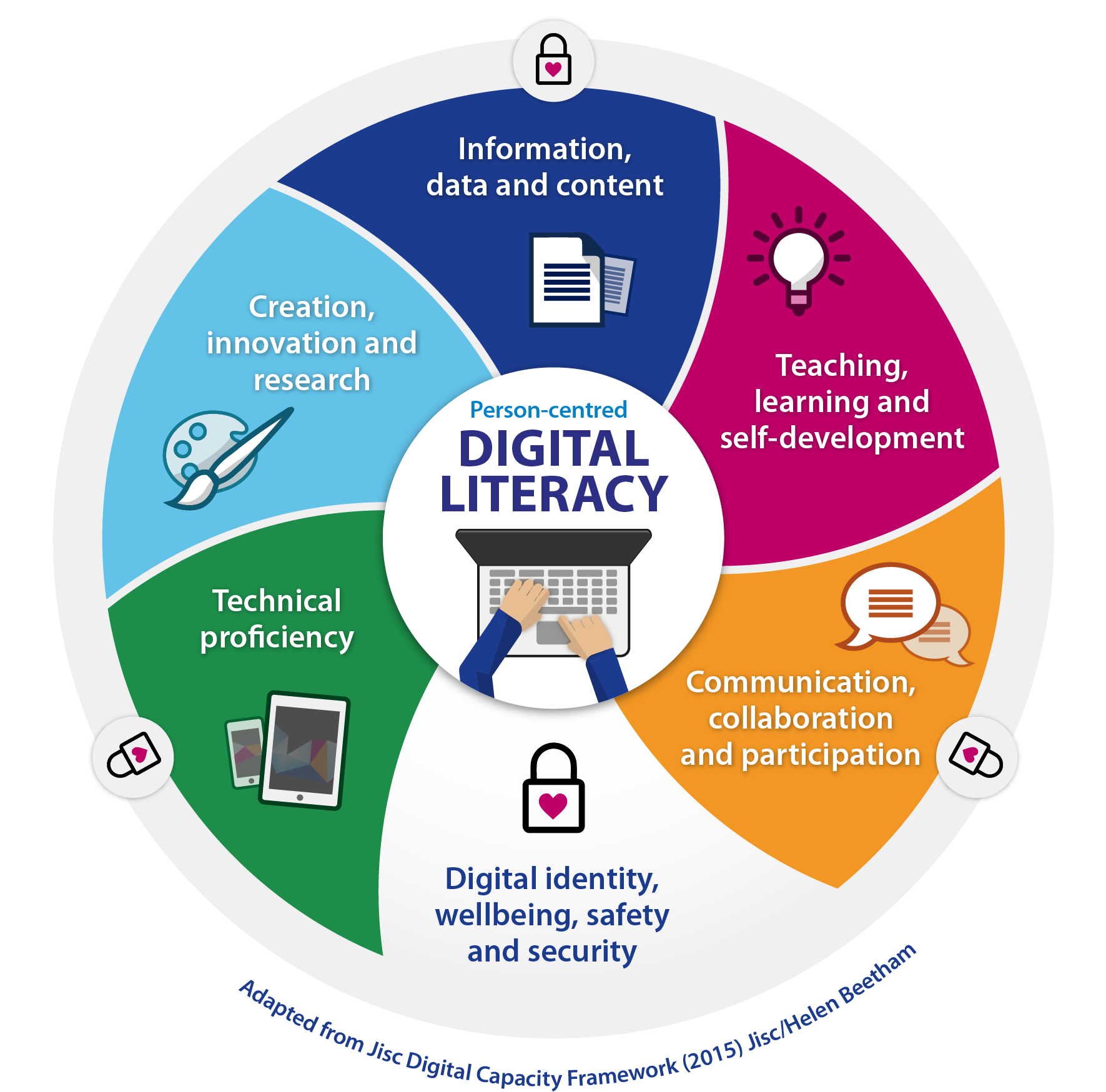
Today, we are going to discuss issues related to digital literacy, digital skills and distance learning. So...
Before you watch the above short video, try to reflect on the term digital literacy. How do you understand this term? How would you explain it in your own words? If you want, you can write down some aspects or skills involved in digital literacy. Then watch the video to find out!
The following YouTube video discusses the effects of coronovirus lockdown measures on tourism after the quarantine period. Watch this short video Corovirus pandemic and Tourism and try to list the possible effects of coronovirus threat on our way of life in the future.
Can you imagine which sectors of human activity are going to be affected? Make a brief list or give examples of things that people will have to change.

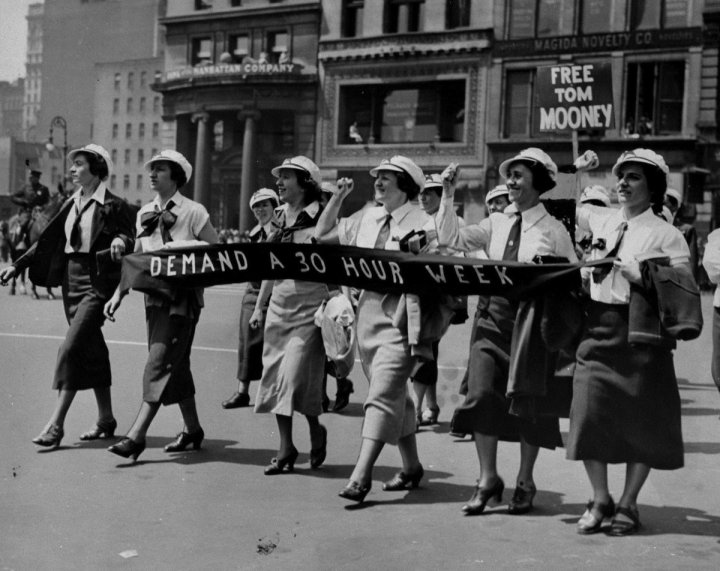
Happy May Day everybody!
Before we go on with our English class, take a few minutes to read this article about the history of Labour Day around the world. Labour day around the world.
Stay tuned!
Doctors, nurses, cleaners and others on duty during coronovirus pandemic (article)
The 3rd chapter of our course book refers to those people who sacrifice themselves while they are on duty. Although the course book texts refer mainly to policemen who risk their lives to protect the citizens, I would like you to consider all those people who work during this coronovirus pandemic, offering their services to the public and risking their own health and safety.
Click the link above, read the article and reflect on the different jobs and people that are involved in this universal effort to fight the deadly virus. Focus on these people's feelings and reactions. You are welcome to discuss your ideas on our webex class on Friday or send me your written texts.
Take care, stay safe!
Think: What does "to be on duty" mean?
More expressions with the word "duty"
- a bounden duty
- above and beyond the call of duty
- active duty
- be duty bound
- beyond the call of duty
- call of duty
- dereliction of duty
- do (double) duty
- do (double) duty as (something)
- do one's duty
- duty bound to (someone or something)
- duty calls
- feel duty bound to (do something)
- go above and beyond (one's) duty
- go above and beyond the call of duty
- heavy-duty
- in the line of duty
- legal duty
- off duty
- on active duty
- on duty
- on/off duty
- relieve one of duties
- report for duty
- shirk (one's) duty
Task: Choose 5 from the above phrases to make your own sentences.
Ημερολόγιο
Ανακοινώσεις
Όλες...- - Δεν υπάρχουν ανακοινώσεις -